Trusted Local Suppliers
Trusted Local Suppliers
Why Source Location Matters for Research Peptides
Researchers working with synthetic peptides such as BPC-157 face a consistent challenge: identifying suppliers whose products are backed by third-party analytical testing and transparent manufacturing standards. The phrase "bpc 157 near me" reflects a genuine demand among laboratory professionals and independent researchers who want shorter supply chains, faster delivery timelines, and the ability to verify supplier credentials in person or through local networks. Geographic proximity to a supplier does not automatically guarantee quality, but it often correlates with greater accountability and more responsive customer service than a fully anonymous online vendor can offer.
What Distinguishes a Trusted Supplier
A reputable supplier of research peptides operates with a clear commitment to analytical transparency. This means providing certificates of analysis from independent, accredited laboratories for every batch produced. These documents should confirm peptide purity — typically expressed as a percentage determined by high-performance liquid chromatography — alongside mass spectrometry data that verifies the molecular identity of the compound. Suppliers who rely solely on in-house testing, or who cannot produce documentation upon request, present meaningful risks to research integrity and experimental reproducibility.
Beyond documentation, ethical suppliers clearly state that their products are intended exclusively for in vitro and preclinical research purposes. BPC-157, a synthetic 15-amino-acid peptide derived from a protective protein found in gastric juice, has attracted significant scientific interest for its potential role in tissue repair, angiogenesis, and inflammatory modulation. Responsible suppliers communicate the research context of this compound accurately, neither overstating clinical evidence nor discouraging legitimate scientific inquiry.
Key Supplier Credentials to Verify
- Independent certificate of analysis from an ISO-accredited or equivalent laboratory
- HPLC purity of 98% or higher for research-grade material, confirmed per batch
- Mass spectrometry confirmation of molecular weight and amino acid sequence
- Clear labeling identifying the compound as a research chemical, not for human use
- Documented storage and handling guidelines consistent with peptide stability requirements
Evaluating Local and Regional Suppliers
When researchers search for "bpc 157 near me," they are often motivated by more than convenience. Local sourcing can reduce the risk of degradation during extended shipping, particularly for lyophilized peptides that require careful temperature management. It also enables researchers to build direct relationships with supplier representatives, visit distribution facilities, or audit quality control processes firsthand. These opportunities are rarely available when ordering from international vendors whose operations exist entirely online with no local point of contact.
Regional suppliers who serve academic institutions, contract research organizations, or pharmaceutical development companies tend to operate under greater scrutiny than direct-to-consumer vendors. Researchers should ask potential suppliers about their primary client base, their experience handling controlled storage requirements, and whether they participate in voluntary quality certification programs relevant to the biochemical supply sector. A supplier accustomed to serving professional research environments will typically maintain more rigorous standards than one targeting general consumers.
Red Flags and Common Pitfalls
Not every supplier that appears in a local search result meets the standards serious research requires. Vague or absent documentation is the most significant warning sign. Suppliers who provide only manufacturer-supplied specification sheets without independent verification offer no meaningful quality assurance. Unusually low pricing compared to market norms may signal compromised purity, incomplete synthesis, or substituted compounds that could invalidate experimental results entirely.
Researchers should also be cautious about suppliers who make health or clinical claims about BPC-157 or any other research peptide. Such statements are inconsistent with responsible research chemical distribution and may indicate that the vendor is operating outside appropriate legal and ethical boundaries. Any supplier presenting peptides as supplements, therapeutic agents, or as suitable for human or veterinary administration warrants immediate disqualification from consideration, regardless of pricing or geographic convenience.
Building a Long-Term Supplier Relationship
Establishing an ongoing relationship with a vetted local or regional supplier offers compounding benefits for research programs. Consistent sourcing from the same vendor allows researchers to compare results across production batches, identify potential lot-to-lot variability, and maintain a reliable reference baseline for experimental reproducibility. Suppliers who value long-term professional relationships typically provide more detailed batch records, advance notice of supply chain disruptions, and priority access to compounds with limited availability.
For researchers who began their inquiry with a search for "bpc 157 near me" as a simple proximity query, the process of supplier evaluation ultimately reveals that trust is built on documentation, transparency, and demonstrated adherence to research-sector standards — not on geographic convenience alone. The most reliable local supplier is one who would satisfy the same criteria as the best international vendor, with the added benefit of direct accessibility and community-level accountability that distant vendors cannot replicate.
Recommended products
 30 capsules.webp)
 60 capsules.webp)
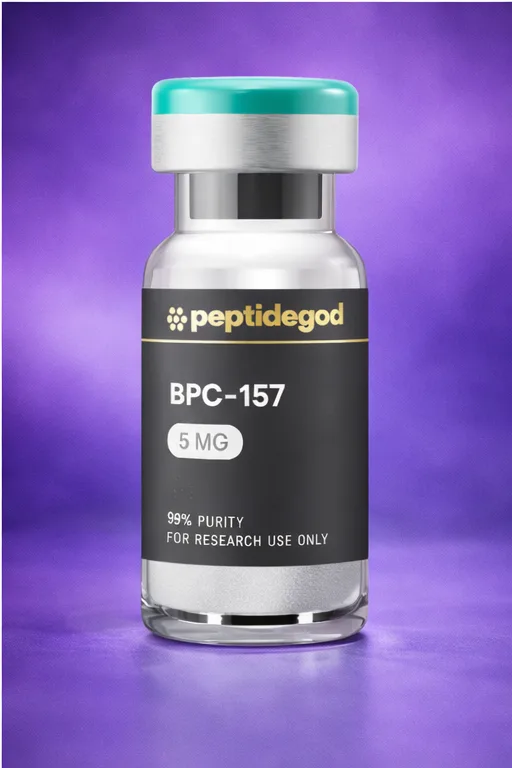
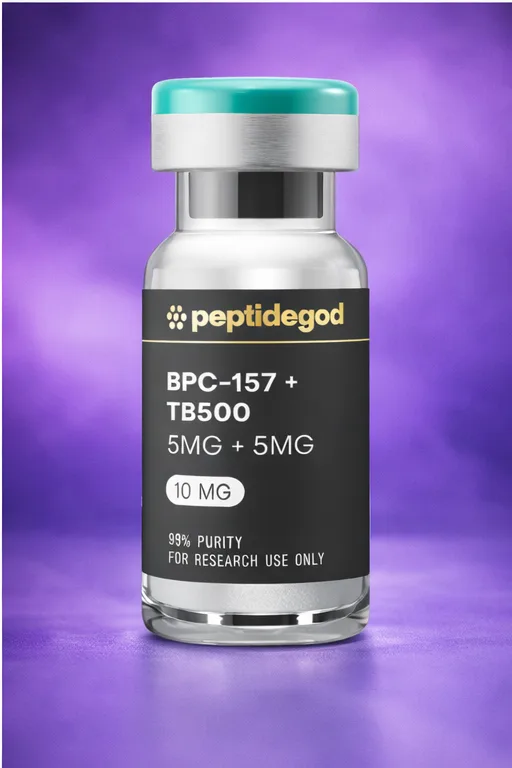

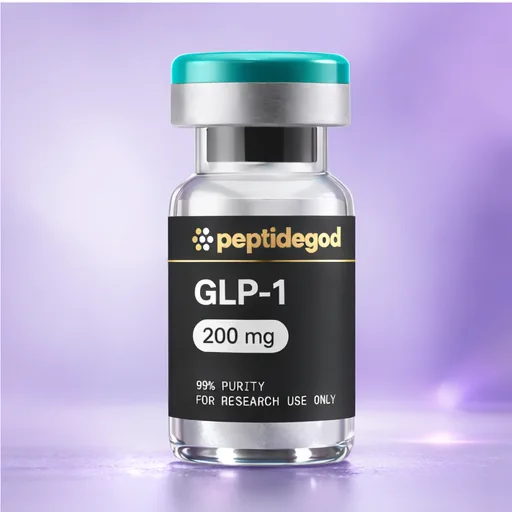
See top-rated vendors
Compare prices, purity and shipping at a glance.
Reviewed by the Bpc157nearme Research Team · Last updated February 2026
References & Scientific Sources
- Gwyer D, Wragg NM, Wilson SL. Gastric pentadecapeptide BPC 157 and soft-tissue healing. Cell Tissue Res. 2019.
- Chang C-H, et al. Pentadecapeptide BPC 157 enhances tendon fibroblast outgrowth. J Appl Physiol. 2011.
- Sikiric P, et al. BPC 157 and standard angiogenic growth factors. Curr Pharm Des. 2018.
Sources are provided for educational reference. This content is informational and not a substitute for professional medical advice.