Pharmacies vs Online
Pharmacies vs Online
Why Researchers Are Moving Away From Local Pharmacies
For decades, compounding pharmacies were the default source for researchers seeking peptides like BPC-157. A local pharmacist could prepare custom formulations, handle storage requirements, and provide a sense of accountability. That model worked when the research peptide market was small and the compounds themselves were relatively obscure. Today, the landscape has shifted dramatically. Researchers who search for "bpc 157 near me" expecting to find a local compounding pharmacy stocked with lyophilized peptides are frequently disappointed. Most retail pharmacies do not carry research peptides at all, and compounding pharmacies that do often require a prescription framework that does not apply to laboratory research use.
What Local Pharmacies Actually Offer
Traditional compounding pharmacies operate under strict regulatory oversight. In the United States, they fall under state board of pharmacy rules and, for larger operations, FDA oversight under 503A or 503B designations. This regulatory structure is designed for patient care, meaning the pharmacist needs prescriber involvement, documented patient need, and compliance with USP standards. For a researcher who simply wants a verified sample of BPC-157 for in vitro or animal studies, this entire infrastructure creates friction without adding relevant value.
Beyond the regulatory mismatch, local compounding pharmacies often lack the analytical testing infrastructure that specialized peptide suppliers maintain. A pharmacy may prepare a product that meets general compounding standards without running HPLC purity analysis, mass spectrometry confirmation, or endotoxin testing specific to peptide research. Researchers who prioritize data integrity need documentation that most pharmacies are not set up to provide.
The Online Research Peptide Market
The growth of dedicated online peptide suppliers has addressed several limitations of the pharmacy model. Reputable vendors publish certificates of analysis from third-party laboratories, allowing researchers to verify purity levels, confirm molecular identity, and assess endotoxin content before ordering. This transparency is difficult to find in a pharmacy context, where quality documentation is typically internal and not routinely shared with end users.
Online suppliers also maintain cold-chain logistics, shipping lyophilized peptides with appropriate packaging to preserve stability during transit. Many offer multiple presentation formats including vials dosed at common research quantities, which simplifies reconstitution protocols. For researchers who find that searching for "bpc 157 near me" yields no useful local options, the online model provides consistent access regardless of geographic location.
Key Differences to Evaluate Before Choosing a Source
Not all procurement decisions are equal in a research context. The following points represent the criteria researchers most commonly weigh when comparing pharmacies against online peptide suppliers.
- Certificate of analysis availability: online vendors typically publish batch-specific COAs; compounding pharmacies rarely do for research compounds
- Purity verification: reputable online suppliers use HPLC testing with benchmarks above 98 percent purity
- Endotoxin testing: relevant for any in vivo research application and not standard at most compounding pharmacies
- Regulatory alignment: online research peptide sales are positioned explicitly for research use, avoiding the prescriber requirement that pharmacy channels impose
- Product range: specialized vendors stock a broader catalog of peptides alongside BPC-157, enabling researchers to source multiple compounds from a single verified supplier
Research Integrity and Source Selection
The source of a research compound directly affects the validity of experimental results. A peptide sample with undisclosed impurities or inconsistent concentration can introduce variables that compromise data reproducibility. This is why researchers increasingly treat vendor selection as a methodological decision rather than a purely logistical one. When a researcher types "bpc 157 near me" into a search engine, they are often starting a process that ends not at a local pharmacy but at an online supplier with documented quality standards and a clear research-use designation.
Legitimate online research peptide companies are transparent about what their products are and are not. They are not pharmaceutical manufacturers, and their products are not approved drugs. They occupy a specific niche in the research supply chain, providing compounds for scientific investigation under conditions where the researcher bears responsibility for appropriate use. This clarity, combined with accessible quality documentation, is why online sources have become the practical standard for BPC-157 research procurement.
Making a Practical Decision
For most researchers, the comparison between pharmacies and online suppliers comes down to documentation, access, and regulatory fit. Local compounding pharmacies serve an essential role in patient care but are structurally misaligned with the needs of peptide research. Online suppliers have filled this gap by building infrastructure around researcher requirements: third-party testing, transparent certificates of analysis, research-specific terms of sale, and temperature-controlled fulfillment. Understanding these differences allows researchers to select their source based on methodological standards rather than geographic convenience, which ultimately supports more reliable and reproducible experimental work.
Recommended products
 30 capsules.webp)
 60 capsules.webp)
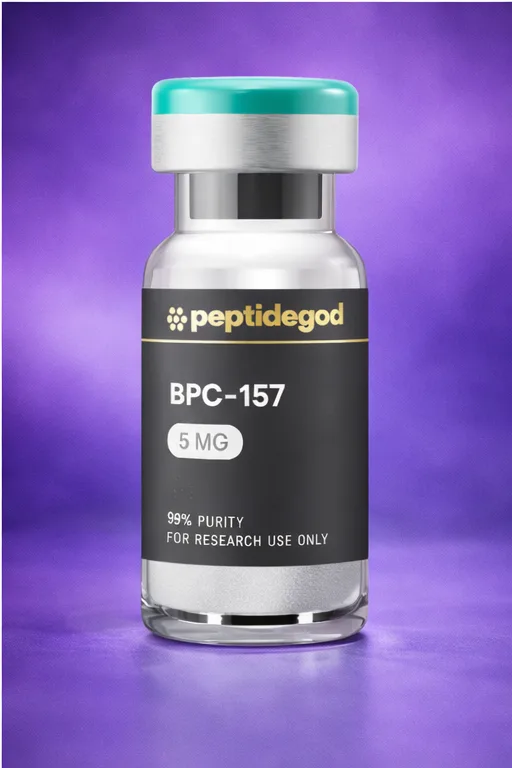
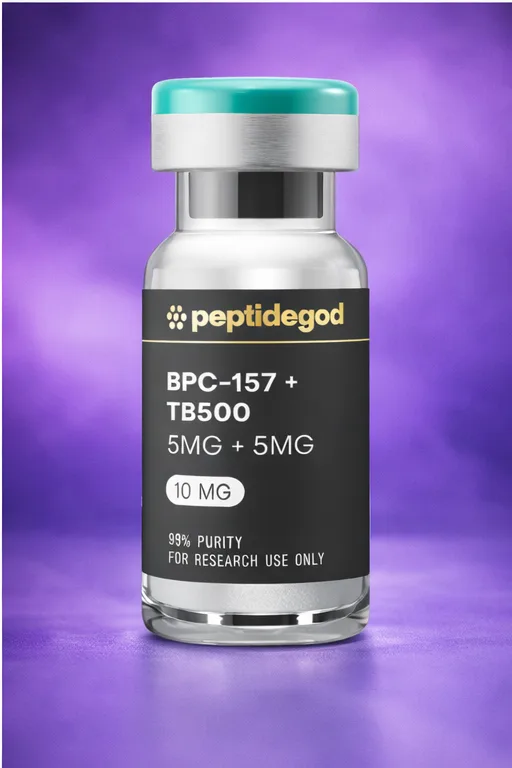
See top-rated vendors
Compare prices, purity and shipping at a glance.
Reviewed by the Bpc157nearme Research Team · Last updated February 2026
References & Scientific Sources
- Gwyer D, Wragg NM, Wilson SL. Gastric pentadecapeptide BPC 157 and soft-tissue healing. Cell Tissue Res. 2019.
- Chang C-H, et al. Pentadecapeptide BPC 157 enhances tendon fibroblast outgrowth. J Appl Physiol. 2011.
- Sikiric P, et al. BPC 157 and standard angiogenic growth factors. Curr Pharm Des. 2018.
Sources are provided for educational reference. This content is informational and not a substitute for professional medical advice.