Local Peptide Clinics
Local Peptide Clinics
What Are Peptide Clinics and What Do They Study?
Peptide clinics are specialized wellness and research-oriented practices that focus on synthetic peptides as subjects of scientific inquiry and, in some cases, supervised clinical protocols. These clinics have grown significantly in number over the past decade as interest in regenerative biology, longevity research, and tissue repair mechanisms has expanded beyond academic institutions into private wellness settings. Rather than functioning as traditional medical offices, many peptide clinics operate at the intersection of research and functional medicine, offering consultations that center on the biological mechanisms of specific compounds.
Among the most studied compounds at these facilities is BPC-157, a synthetic 15-amino-acid peptide derived from a protective protein found in human gastric juice. Researchers have explored BPC-157 extensively in preclinical models for its potential role in tissue repair, angiogenesis, and modulation of growth hormone receptors. Its stability and well-documented behavior in laboratory settings have made it a recurring subject of interest for clinics that follow peptide research closely.
How to Find Local Peptide Research Clinics
Many individuals searching for "bpc 157 near me" are not necessarily seeking a prescription but are instead looking to connect with practitioners who have working knowledge of peptide research literature. Locating a reputable local clinic requires more than a basic internet search. You should look for practices staffed by licensed physicians, nurse practitioners, or research coordinators who cite peer-reviewed literature and are transparent about the investigational status of the compounds they discuss.
Functional medicine directories, compounding pharmacy referral networks, and longevity medicine associations often maintain updated listings of affiliated clinics. Telehealth has also expanded access considerably, allowing individuals in rural or underserved regions to consult with peptide-informed practitioners remotely before deciding whether to visit a physical clinic for any follow-up assessment.
What to Expect During a Peptide Clinic Consultation
A first visit to a peptide-focused clinic typically involves a thorough intake process that includes bloodwork, a review of your health history, and a discussion of your research interests or wellness goals. Clinicians who work in this space generally take an evidence-based approach, walking through the current state of the literature on compounds of interest before discussing any potential protocols.
For individuals who have been researching "bpc 157 near me," the consultation is an opportunity to ask specific questions about dosing ranges studied in preclinical trials, administration routes examined in published papers, and any known contraindications or drug interactions flagged in the literature. Reputable clinics will distinguish clearly between what has been observed in animal models versus what remains speculative in human applications.
Key Questions to Ask a Peptide Clinic
- What peer-reviewed studies does the clinic reference when discussing BPC-157 or other peptides?
- Is the clinic affiliated with a licensed compounding pharmacy operating under USP 797 or 800 guidelines?
- How does the clinic monitor participants who are following research-informed peptide protocols?
- What is the clinic's policy on informed consent and documentation for investigational compounds?
- Does the clinic offer follow-up bloodwork or biomarker tracking to assess physiological changes over time?
BPC-157 Research Context and Clinical Interest
BPC-157 has been the subject of over one hundred published studies, primarily in rodent models, examining its effects on tendon-to-bone healing, gut lining integrity, nitric oxide signaling, and nerve regeneration. The peptide appears to upregulate growth hormone receptors locally at injury sites and promote the formation of new blood vessels, a process called angiogenesis, which is considered critical to effective tissue repair. These findings have driven substantial interest from sports medicine practitioners, gastroenterologists studying mucosal healing, and neurologists researching neuroprotective compounds.
Local peptide clinics that follow this literature closely often maintain subscriptions to journals such as the Journal of Physiology and Pharmacology, Biomolecules, and Frontiers in Pharmacology, where much of the BPC-157 preclinical work has been published. Clinics that cite specific studies and communicate the limitations of animal-model extrapolation to humans are generally considered more credible within the research wellness community.
Standards and Considerations for Responsible Peptide Research Clinics
Not all clinics advertising peptide services operate with the same standards of rigor or transparency. The field lacks unified federal regulation specific to peptide wellness clinics, which means quality varies considerably. Responsible clinics distinguish between FDA-approved compounds and investigational peptides, clearly communicate that BPC-157 is not approved by the FDA for any human therapeutic indication, and frame all discussions in terms of ongoing research rather than guaranteed outcomes.
Sourcing is another critical variable. Clinics affiliated with licensed compounding pharmacies that conduct third-party testing for purity, sterility, and accurate peptide concentration are meaningfully different from those that source compounds through unverified channels. When evaluating any clinic discovered through a search for "bpc 157 near me," requesting documentation of compound sourcing and third-party certificates of analysis is a reasonable and advisable step. This article is intended for informational and educational purposes only and does not constitute medical advice. Consult a qualified healthcare professional before considering any peptide-related protocol.
Recommended products
 30 capsules.webp)
 60 capsules.webp)
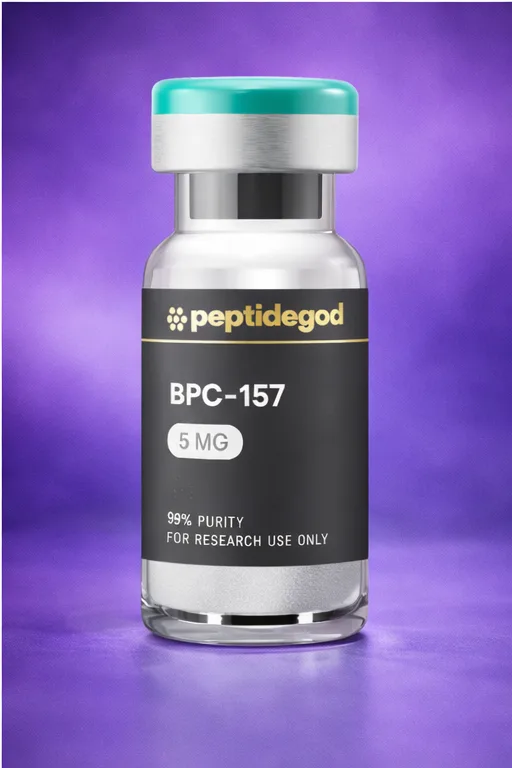
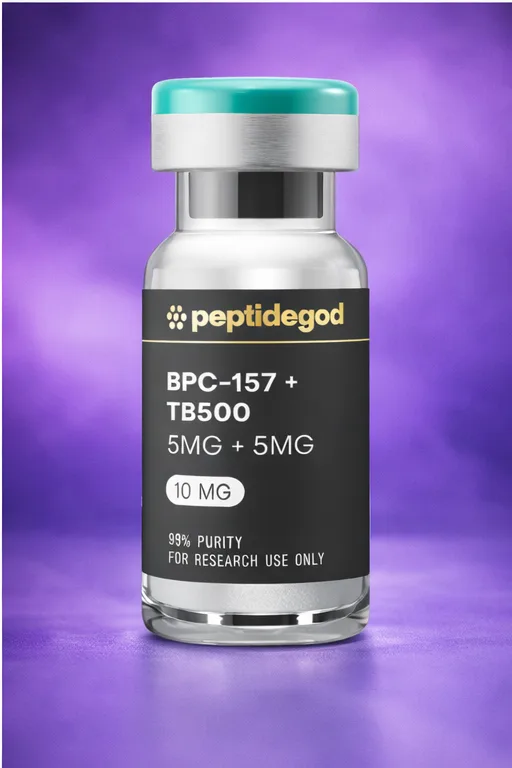
See top-rated vendors
Compare prices, purity and shipping at a glance.
Reviewed by the Bpc157nearme Research Team · Last updated February 2026
References & Scientific Sources
- Gwyer D, Wragg NM, Wilson SL. Gastric pentadecapeptide BPC 157 and soft-tissue healing. Cell Tissue Res. 2019.
- Chang C-H, et al. Pentadecapeptide BPC 157 enhances tendon fibroblast outgrowth. J Appl Physiol. 2011.
- Sikiric P, et al. BPC 157 and standard angiogenic growth factors. Curr Pharm Des. 2018.
Sources are provided for educational reference. This content is informational and not a substitute for professional medical advice.