Legal Considerations
Legal Considerations
Regulatory Status in the United States
BPC-157 is a synthetic 15-amino-acid peptide with growing preclinical research interest in tissue repair, angiogenesis, and inflammation modulation. Despite this body of research, the U.S. Food and Drug Administration has not approved BPC-157 as a drug, dietary supplement, or therapeutic agent. It is currently classified as a research chemical in the United States, permitting its acquisition and use strictly within laboratory and in-vitro research contexts. It is not authorized for clinical administration, direct human consumption, or veterinary use outside of formally structured scientific protocols.
A notable regulatory shift occurred in 2023 when the FDA formally placed BPC-157 on its list of bulk drug substances ineligible for use in compounding under Sections 503A and 503B of the Federal Food, Drug, and Cosmetic Act. This decision effectively prohibits licensed compounding pharmacies from preparing BPC-157 formulations for individual patients, closing a pathway that had previously offered medically supervised access to the compound in the United States.
Obligations for Vendors and Purchasers
The research-only classification imposes specific legal duties on both suppliers and buyers. Vendors are prohibited under federal law from marketing BPC-157 with any health, medical, or therapeutic claims. Products must be labeled clearly as intended solely for laboratory research and not for human use. Suppliers who market BPC-157 as a treatment for injury, pain, or disease expose themselves to enforcement action under drug misbranding and adulteration statutes enforced by the FDA.
Buyers share legal responsibility as well. Those who search for "bpc 157 near me" and find local suppliers should understand that physical proximity to a vendor does not imply that the product is legally cleared for personal or clinical use. Evaluating a vendor's compliance posture, including their labeling practices and the presence of third-party certificates of analysis, is an essential step before any research purchase.
International Legal Variation
The legal status of BPC-157 is not uniform globally. Researchers operating outside the United States must familiarize themselves with the peptide regulations specific to their country, as consequences for non-compliance can include shipment seizures, civil penalties, or criminal liability. Several major regulatory frameworks treat BPC-157 as follows:
- United States: Classified as a research chemical; excluded from compounding pharmacy use since 2023
- Canada: Not approved for human use; personal importation occupies a regulatory grey area
- Australia: Classified as a Schedule 4 prescription-only substance in certain formulations
- United Kingdom: Not a controlled drug, but subject to medicines regulations if promoted for human use
- European Union: Status varies by member state; not approved for clinical application across the bloc
Identifying Compliant Suppliers
When sourcing BPC-157, researchers should apply the same legal scrutiny they would to any regulated compound. A compliant vendor will clearly identify their products as intended for research use only, provide batch-specific certificates of analysis from accredited third-party laboratories, and refrain from making any claims that imply therapeutic or clinical benefit. Suppliers who optimize for local discovery terms like "bpc 157 near me" but fail to meet these documentation standards should be approached with caution, as their marketing practices may signal broader non-compliance with applicable research-chemical regulations.
Purchasing from non-compliant vendors carries risks beyond product quality. Mislabeled or improperly documented peptides are subject to seizure by customs authorities and may trigger regulatory investigation of the buyer in jurisdictions where BPC-157 falls under pharmaceutical scheduling. Vendor transparency is not a secondary concern for researchers; it is a legal prerequisite.
Research Documentation and Ongoing Compliance
Researchers and institutions working with BPC-157 should maintain thorough records of acquisition, intended research purpose, and use protocols. Regulatory frameworks governing research chemicals evolve, and BPC-157 has already experienced one significant reclassification in the United States within recent years. Staying current with regulatory updates from agencies such as the FDA, Health Canada, the Therapeutic Goods Administration in Australia, and equivalent bodies in other jurisdictions is a necessary component of responsible research practice.
The content on this site is intended solely for educational and informational purposes related to ongoing scientific research. It does not constitute legal or medical advice. Researchers and organizations should consult qualified legal counsel with expertise in pharmaceutical and research-chemical regulations in their jurisdiction to ensure full compliance with all applicable laws before acquiring, storing, or working with BPC-157.
Recommended products
 30 capsules.webp)
 60 capsules.webp)
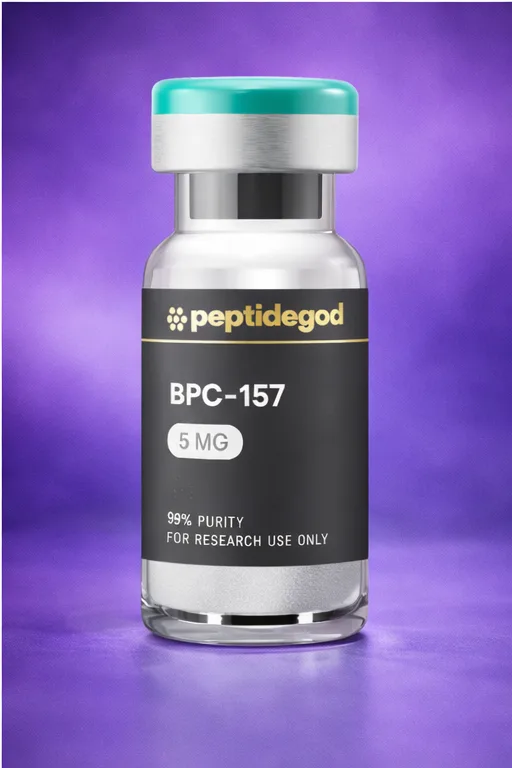
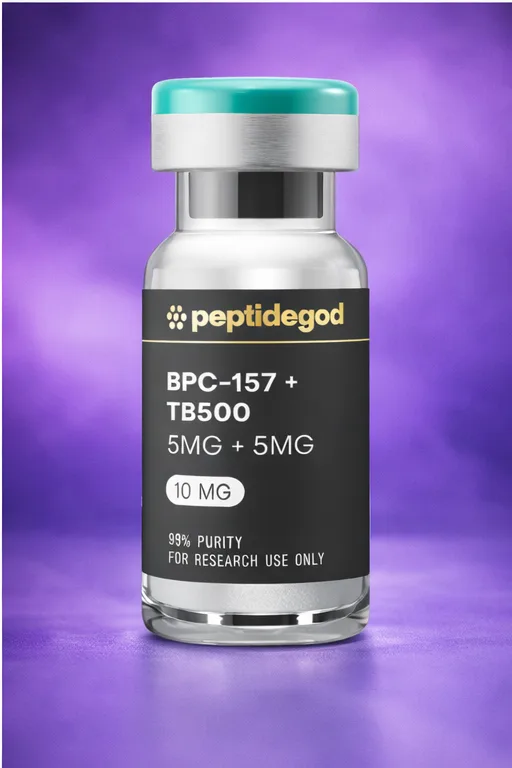
See top-rated vendors
Compare prices, purity and shipping at a glance.
Reviewed by the Bpc157nearme Research Team · Last updated February 2026
References & Scientific Sources
- Gwyer D, Wragg NM, Wilson SL. Gastric pentadecapeptide BPC 157 and soft-tissue healing. Cell Tissue Res. 2019.
- Chang C-H, et al. Pentadecapeptide BPC 157 enhances tendon fibroblast outgrowth. J Appl Physiol. 2011.
- Sikiric P, et al. BPC 157 and standard angiogenic growth factors. Curr Pharm Des. 2018.
Sources are provided for educational reference. This content is informational and not a substitute for professional medical advice.