Price Comparison Local vs Online
Price Comparison Local vs Online
Understanding the BPC-157 Research Market
BPC-157 is a synthetic 15-amino-acid peptide derived from a protective protein found in gastric juice. It has attracted significant attention in preclinical research for its potential role in tissue repair, tendon healing, and gastrointestinal support. As demand for this compound among researchers has grown, so has the number of suppliers offering it through different channels. Prices can vary dramatically depending on where and how a researcher sources the material, making a careful comparison between local and online vendors a practical necessity before committing to a purchase.
What Local Suppliers Typically Offer
Local suppliers in this context generally means compounding pharmacies, specialty wellness clinics, or brick-and-mortar research chemical retailers operating within a specific geographic area. Researchers who search for something like bpc 157 near me are usually hoping to find a supplier they can visit in person, inspect the product, and receive same-day access without waiting for shipping. This immediacy is the primary advantage of a local source.
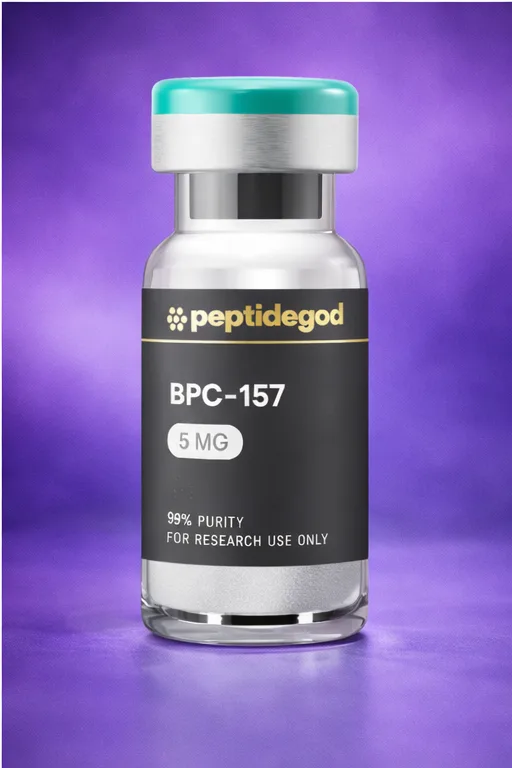
However, local pricing for BPC-157 tends to run significantly higher than online equivalents. A single 5 mg vial from a compounding pharmacy can cost anywhere from $40 to $80 depending on the region, while a comparable vial from an established online peptide supplier often falls in the $15 to $35 range. The markup at local vendors reflects overhead costs including rent, staff, regulatory compliance for compounding facilities, and the premium placed on convenience and consultation services.
Online Vendor Pricing and What Drives It
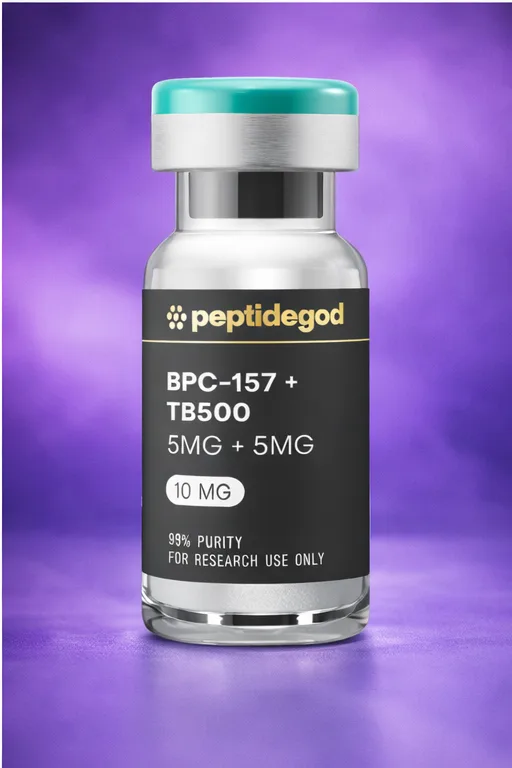
Online research peptide suppliers operate with lower overhead structures and can purchase raw active pharmaceutical ingredient in bulk, which substantially reduces per-unit cost. A 5 mg vial of BPC-157 from a reputable online supplier typically costs $15 to $30, and many vendors offer bundle pricing that drops the per-vial cost further when ordering quantities of five or ten units. Some suppliers sell larger lyophilized quantities, such as 10 mg vials, for $25 to $50, offering a better cost-per-milligram ratio for researchers running extended studies.
Quality, however, is not guaranteed by price alone. Certificate of Analysis documentation from an independent third-party laboratory is the key differentiator among online suppliers. Researchers should verify that the COA confirms purity at or above 98 percent and that the testing was performed by an accredited lab using HPLC or mass spectrometry methodology. Price should only be compared between vendors whose documentation meets this standard.
Hidden Costs to Factor Into the Comparison
A straightforward price comparison between local and online sources can be misleading if it ignores secondary costs. Online orders typically require shipping, which ranges from $5 to $20 for standard domestic delivery and can be significantly higher for expedited or international shipments. Some vendors offer free shipping above a minimum order threshold, which effectively rewards bulk purchasing. Dry ice packaging for temperature-sensitive peptides may add an additional $15 to $25 per shipment.
- Shipping and cold-chain packaging fees for online orders
- Minimum order requirements that force larger purchases than needed
- Return and replacement policies in the event of degraded product on arrival
- Consultation or testing fees sometimes bundled into local pharmacy pricing
- Storage costs if bulk purchasing requires additional freezer capacity
Local purchases eliminate shipping delays and packaging costs but introduce travel time and potentially higher per-unit prices that may outweigh those savings for researchers making repeat purchases over a study period.
Purity Standards and Value Beyond Price
Researchers evaluating bpc 157 near me options often discover that local compounding pharmacies operate under stricter regulatory oversight than unregistered online vendors, which can be a meaningful quality signal. A compounding pharmacy in the United States, for example, may operate under 503A or 503B FDA guidelines, providing a degree of quality assurance that some online vendors cannot match. That regulatory compliance is partly what justifies the higher local price point.
Conversely, several well-established online peptide suppliers have built reputations over years of operation by consistently providing third-party tested product with transparent documentation. For a researcher whose priority is documented purity at the lowest possible cost, a trusted online source with a strong COA record will typically outperform a local option on both dimensions. The key is evaluating the supplier's verification infrastructure, not just the price listed on a product page.
Making a Cost-Effective Decision for Research Purposes
For researchers conducting a single exploratory study with modest quantity requirements, a local supplier found through a search for bpc 157 near me may offer sufficient quality with the added benefit of immediate availability and in-person guidance. For ongoing research programs requiring consistent multi-vial sourcing over weeks or months, the cost savings of a verified online supplier become substantial and can represent hundreds of dollars across the study period.
The most defensible approach is to use the local option to establish familiarity with the compound's physical characteristics and handling requirements, then transition to an online supplier with equivalent or superior documentation for long-term purchasing. In either case, this information is intended solely for research purposes and does not constitute medical advice. BPC-157 is not approved for human use by any regulatory body and should only be handled by qualified researchers in appropriate laboratory settings.
Recommended products
 30 capsules.webp)
 60 capsules.webp)
See top-rated vendors
Compare prices, purity and shipping at a glance.
Reviewed by the Bpc157nearme Research Team · Last updated February 2026
References & Scientific Sources
- Gwyer D, Wragg NM, Wilson SL. Gastric pentadecapeptide BPC 157 and soft-tissue healing. Cell Tissue Res. 2019.
- Chang C-H, et al. Pentadecapeptide BPC 157 enhances tendon fibroblast outgrowth. J Appl Physiol. 2011.
- Sikiric P, et al. BPC 157 and standard angiogenic growth factors. Curr Pharm Des. 2018.
Sources are provided for educational reference. This content is informational and not a substitute for professional medical advice.