Order BPC-157 Nearby
Order BPC-157 Nearby
What Is BPC-157 and Why Researchers Seek It Out
BPC-157, short for Body Protection Compound-157, is a synthetic pentadecapeptide composed of 15 amino acids. It was derived from a partial sequence of human gastric juice protein and has been the subject of extensive preclinical research over the past three decades. Studies conducted in rodent models have investigated its potential roles in tendon healing, muscle repair, gastrointestinal protection, and angiogenesis. Unlike many compounds studied in isolation, BPC-157 appears to interact with multiple biological pathways simultaneously, including the nitric oxide system and growth hormone receptor signaling, which has made it a subject of considerable scientific interest.
Researchers working in regenerative biology, sports medicine preclinical models, and gastroenterology have all turned to this peptide as a research tool. Its stability in an aqueous environment and relatively straightforward reconstitution profile make it practical for laboratory applications. Because interest in this compound has grown substantially, many research teams now search for a reliable supplier when they look up bpc 157 near me, hoping to reduce shipping times and ensure consistent product quality.
Understanding Purity Standards Before You Place an Order
Not all peptide suppliers operate under the same quality control standards, and for research applications the difference matters significantly. When ordering BPC-157 for legitimate research purposes, the most important document to request is a Certificate of Analysis, commonly referred to as a CoA. A credible CoA will include results from high-performance liquid chromatography, or HPLC, which measures purity by separating the peptide from any synthesis byproducts. Reputable suppliers typically report purity levels at 98 percent or higher for research-grade BPC-157.
Mass spectrometry verification is a second critical marker. This test confirms that the molecular weight of the compound matches the theoretical weight of the BPC-157 sequence, ensuring that what is labeled in the vial corresponds to what was actually synthesized. Researchers should also look for suppliers that conduct endotoxin testing, particularly if the peptide will be used in cell-culture or in vivo animal studies, since bacterial contamination can confound results entirely. Sourcing from a supplier that provides transparent, third-party verified testing data is non-negotiable for sound research methodology.
Available Forms: Lyophilized Powder Versus Reconstituted Solutions
BPC-157 is most commonly supplied in lyophilized, or freeze-dried, powder form, typically in sterile vials ranging from 2 mg to 10 mg per unit. Lyophilization removes water from the peptide after synthesis, dramatically extending shelf stability when stored at appropriate temperatures. Properly stored lyophilized BPC-157 can maintain integrity for 24 months or longer when kept in a freezer at around negative 20 degrees Celsius and protected from light.
Some suppliers also offer pre-reconstituted solutions, usually prepared with bacteriostatic water. While this option offers convenience, it significantly shortens the usable window of the compound, generally to a few weeks when refrigerated. Researchers who order in larger quantities almost always prefer lyophilized powder for this reason. When reconstituting powder for use, bacteriostatic water is the standard diluent, and gentle swirling rather than vigorous shaking is recommended to avoid degrading the peptide chain.
How to Order BPC-157 and What to Expect
When placing an order, researchers should begin by verifying that the supplier explicitly markets its products for research purposes only and not for human consumption. Reputable peptide suppliers include clear disclaimers and do not provide dosage guidance intended for personal use, which distinguishes them from vendors operating outside appropriate regulatory frameworks. The ordering process itself is typically straightforward: select the quantity and concentration needed, review the CoA available on the product page, and confirm that the supplier ships with temperature-controlled packaging if transit times exceed 48 hours.
- Confirm purity via HPLC documentation before completing purchase
- Check that mass spectrometry data is available and matches the BPC-157 molecular weight of approximately 1419.53 daltons
- Review the supplier's shipping policy for temperature-sensitive compounds
- Verify that vials are sealed under inert gas to prevent oxidation during transit
- Store lyophilized product in a freezer immediately upon receipt
Many research institutions that previously relied on overseas suppliers have shifted to domestic sources after finding that local procurement reduces lead times and simplifies customs handling. This is part of the reason why searches for bpc 157 near me have increased among academic and private research teams that need reliable, repeatable access to the compound without the uncertainty of international logistics.
Legal and Ethical Considerations for Research Use
BPC-157 is not approved by the Food and Drug Administration for any therapeutic use in humans and is not classified as a scheduled controlled substance in the United States as of the current date. It occupies a legal gray area common to many research peptides: it can be legally purchased and possessed for legitimate in vitro or animal research purposes, but it is not approved for human administration. Researchers operating within institutional settings should confirm that their use falls within the protocols approved by their Institutional Animal Care and Use Committee, or IACUC, and that procurement is documented appropriately for audit purposes.
Independent researchers and citizen scientists who come across bpc 157 near me results should be aware that the existing body of evidence is composed almost entirely of animal studies. Human clinical trials are limited and preliminary. The informational content provided on research peptide platforms is intended to support scientific inquiry, not to guide personal health decisions. Anyone considering any peptide compound for personal use should consult a licensed medical professional rather than self-directing based on preclinical research literature.
Choosing a Supplier That Supports Long-Term Research Needs
Beyond initial purity verification, researchers benefit from building a relationship with suppliers who maintain consistent batch-to-batch quality and who retest inventory at regular intervals. Peptide synthesis quality can vary between production runs, so suppliers who assign unique lot numbers to each batch and retain samples for retesting provide an important layer of accountability. Look for suppliers with responsive scientific support staff who can answer technical questions about storage, reconstitution, and compound behavior under specific experimental conditions. A supplier that treats researchers as professionals rather than anonymous buyers will consistently add more value to long-term projects than one optimized purely for transaction volume.
Recommended products
 30 capsules.webp)
 60 capsules.webp)
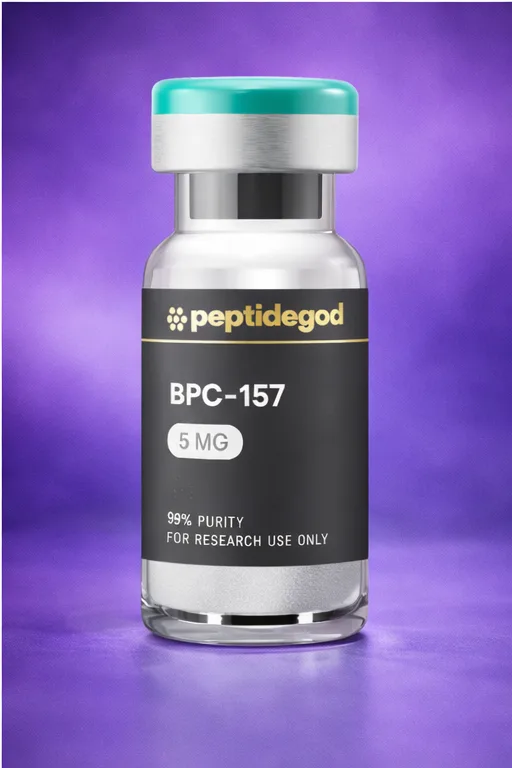
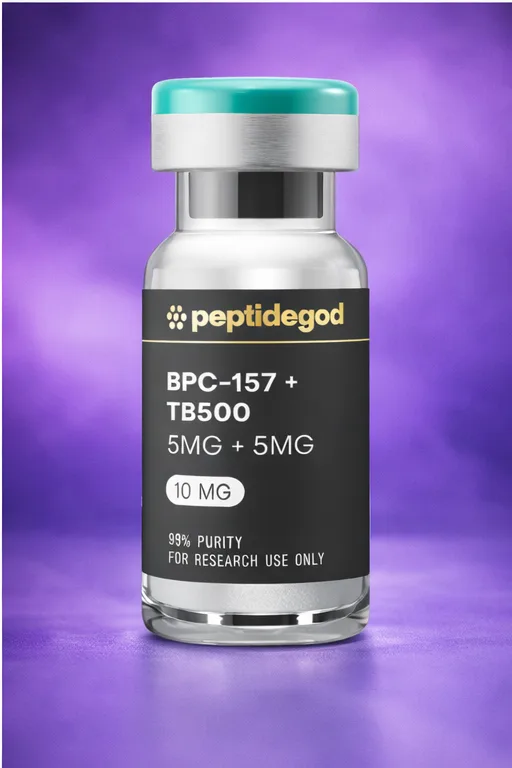
See top-rated vendors
Compare prices, purity and shipping at a glance.
Reviewed by the Bpc157nearme Research Team · Last updated February 2026
References & Scientific Sources
- Gwyer D, Wragg NM, Wilson SL. Gastric pentadecapeptide BPC 157 and soft-tissue healing. Cell Tissue Res. 2019.
- Chang C-H, et al. Pentadecapeptide BPC 157 enhances tendon fibroblast outgrowth. J Appl Physiol. 2011.
- Sikiric P, et al. BPC 157 and standard angiogenic growth factors. Curr Pharm Des. 2018.
Sources are provided for educational reference. This content is informational and not a substitute for professional medical advice.