How to Verify Supplier
How to Verify Supplier
Why Supplier Verification Matters in Peptide Research
When sourcing research compounds such as BPC-157, a synthetic 15-amino-acid peptide studied for tissue repair and gastrointestinal recovery, the supplier's quality controls directly determine the reliability of your results. Impure, mislabeled, or degraded peptides introduce uncontrolled variables that invalidate experimental data. Researchers who search "bpc 157 near me" are often prioritizing convenience, but proximity to a vendor should never substitute for rigorous verification. A supplier that cannot demonstrate independent purity testing is not a research-grade source regardless of how local or accessible they appear.
Confirm Third-Party Certificate of Analysis
The Certificate of Analysis (COA) is the most important document a supplier can provide. It must come from an independent, third-party laboratory rather than internal quality control staff. A research-grade COA includes HPLC (high-performance liquid chromatography) purity data showing at least 98% peptide content, and mass spectrometry results confirming the correct molecular weight. For BPC-157, the molecular formula is C62H98N16O22 with a molecular weight of approximately 1419.56 g/mol. Any supplier unwilling or unable to produce these figures from a named external laboratory should be disqualified without exception.
What to Look for in the COA
- HPLC purity percentage, minimum 98% for research-grade material
- Mass spectrometry confirmation matching the expected molecular weight
- Endotoxin and microbial contamination limits
- Lot number, manufacture date, and expiration or retest date
- Laboratory name and ISO/IEC 17025 accreditation number
Evaluate Laboratory Accreditation Standards
Confirming that a COA exists is necessary but not sufficient. The laboratory that issued it must hold ISO/IEC 17025 accreditation, the international benchmark for testing and calibration laboratories. Accredited labs follow documented analytical procedures, maintain calibration records, and participate in external proficiency programs. Ask whether testing adheres to USP or EP reference standards. Suppliers who reference unnamed or unverified labs, or who provide COA documents without accreditation numbers, cannot substantiate their purity claims and should not be trusted for scientific procurement.
Assess Supplier Transparency and Communication
Contact the supplier directly with technical questions before placing any order. Ask which laboratory performed the most recent batch testing, what the endotoxin threshold is for their lyophilized products, and how temperature-sensitive compounds are handled during shipping. A legitimate supplier answers these questions with specific, verifiable details. Vague responses, deflection, or marketing language in place of technical data is a reliable indicator of insufficient quality control. This scrutiny applies equally whether you discovered a vendor through a broad online search or found one while searching "bpc 157 near me" looking for local access.
Review Community Reputation and Research History
The peptide research community maintains active documentation of supplier performance across forums, academic networks, and review aggregators. Search the supplier name alongside terms like "COA," "replication," or "purity test" to surface relevant discussions. Look for consistent patterns rather than isolated complaints: repeated reports of underdosed product, failed identity confirmation, or damaged packaging during transit indicate systemic failures. Weight accounts from researchers who include analytical data more heavily than subjective testimonials. Suppliers with a multi-year history of documented, reproducible quality are a meaningfully lower risk than newer entrants with limited track records.
Understand Cold Chain and Regulatory Compliance
Peptide stability is highly dependent on storage and transit conditions. BPC-157 in lyophilized form requires storage at -20°C for long-term stability and should be shipped with dry ice or pharmaceutical-grade refrigerant packs. Request the supplier's written shipping protocol and confirm packaging standards before committing to an order. Equally important is regulatory compliance: research peptides must be labeled, invoiced, and sold exclusively for non-human laboratory use. Any supplier making therapeutic or clinical efficacy claims on their product pages is operating outside legal boundaries and demonstrating ignorance of the regulatory framework that governs this category. Whether you are sourcing domestically or found options while looking up "bpc 157 near me," the complete verification standard applies in every case.
Recommended products
 30 capsules.webp)
 60 capsules.webp)
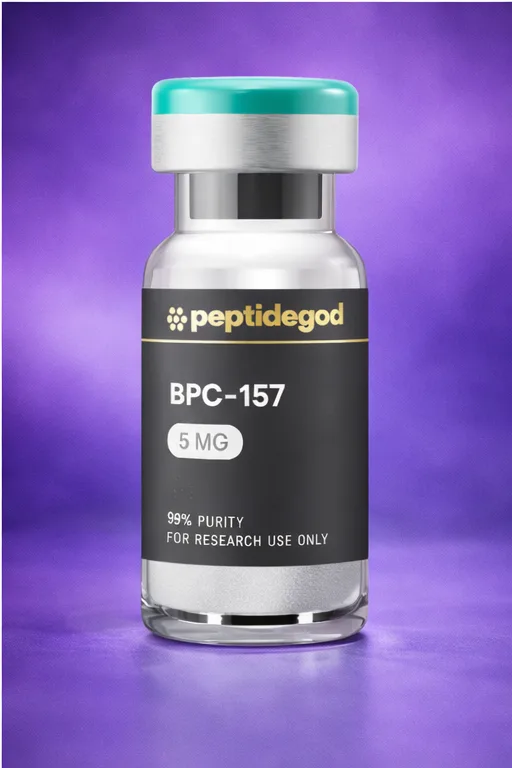
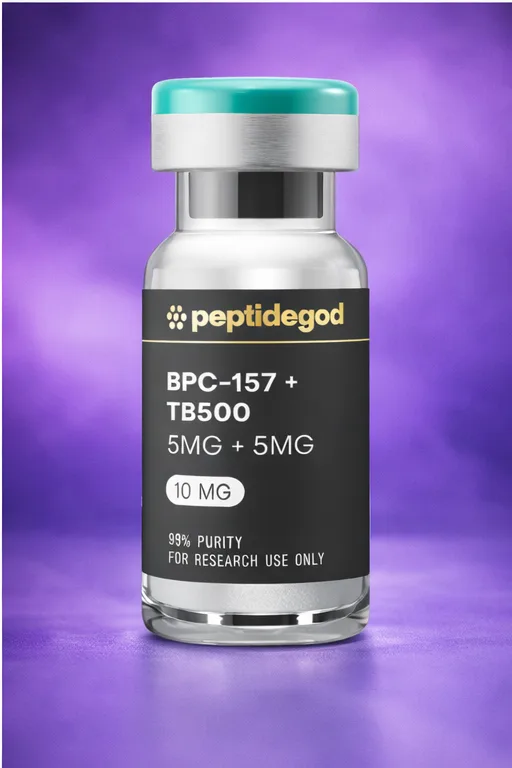
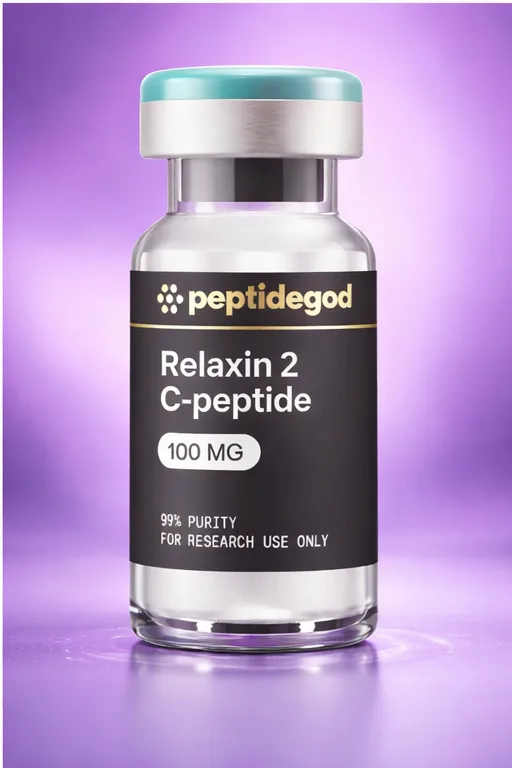
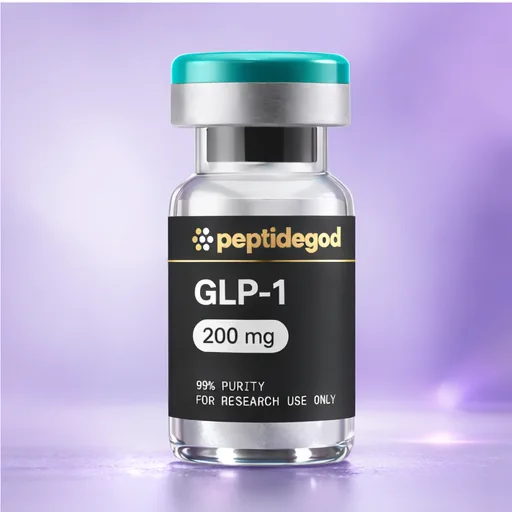
See top-rated vendors
Compare prices, purity and shipping at a glance.
Reviewed by the Bpc157nearme Research Team · Last updated February 2026
References & Scientific Sources
- Gwyer D, Wragg NM, Wilson SL. Gastric pentadecapeptide BPC 157 and soft-tissue healing. Cell Tissue Res. 2019.
- Chang C-H, et al. Pentadecapeptide BPC 157 enhances tendon fibroblast outgrowth. J Appl Physiol. 2011.
- Sikiric P, et al. BPC 157 and standard angiogenic growth factors. Curr Pharm Des. 2018.
Sources are provided for educational reference. This content is informational and not a substitute for professional medical advice.