Avoid Fake Products
Avoid Fake Products
Why Counterfeit Peptides Are a Growing Problem
The research peptide market has expanded rapidly over the past decade, and BPC-157 — a synthetic 15-amino-acid peptide studied for its role in tissue repair and gastrointestinal recovery — has become one of the most frequently counterfeited compounds in the research supply chain. High demand combined with minimal regulatory oversight has created conditions where substandard and fraudulent products routinely reach researchers without detection. For anyone trying to source bpc 157 near me or through online vendors, understanding how to distinguish genuine material from counterfeits is a prerequisite for valid research.
Fake BPC-157 is not simply diluted product. Confirmed cases have included vials containing entirely different peptides, bacterial endotoxins from poor synthesis conditions, and inert filler compounds with no biological activity whatsoever. The damage extends far beyond wasted money: invalid experimental data, failed replications, and months of corrupted work.
What Authentic BPC-157 Looks Like
Genuine research-grade BPC-157 is supplied as a white to off-white lyophilized powder in a sterile borosilicate glass vial sealed under vacuum or inert gas. Every legitimate vial carries a visible batch number, synthesis date, peptide sequence confirmation, and storage instructions. Suppliers who cannot produce this baseline labeling information on request should be disqualified before any transaction takes place.
Pricing is one of the most reliable early signals. Producing BPC-157 above 98% purity — as verified by high-performance liquid chromatography — requires precise solid-phase peptide synthesis and rigorous downstream purification steps. Vials priced dramatically below the established market rate almost always indicate lower purity, sequence errors during synthesis, or outright substitution with a cheaper compound passed off under a reputable label.
How to Verify Supplier Legitimacy
Third-Party Certificates of Analysis
The most critical document to request before purchasing any peptide is a third-party certificate of analysis specific to the batch being sold. This COA must include HPLC purity data confirming greater than 98% purity and mass spectrometry results verifying the correct molecular weight and intact amino acid sequence. A COA produced by the same company that synthesized the product carries little independent value. Only analysis from an accredited external laboratory provides meaningful quality assurance.
Batch Traceability and Records
Legitimate suppliers can trace any individual vial back to a specific synthesis batch with corresponding quality control documentation. If a supplier cannot identify a product's batch number, or if the COA on file is undated and not batch-specific, contamination events and sequence deviations become impossible to isolate. The experimental data you generate then absorbs those hidden variables without any way to account for them.
Red Flags When Searching Online and Locally
Researchers who search for bpc 157 near me often encounter local gym supplement retailers, wellness stores, or import brokers who carry peptides without proper synthesis documentation. These distribution channels rarely stock independently tested research-grade compounds and should be evaluated with the same rigor applied to any supplier regardless of physical proximity.
- No third-party COA available, or COA is undated and missing laboratory accreditation details
- Product descriptions that omit sequence confirmation, molecular weight, or exact purity percentage
- Pricing significantly below market average for verified research-grade BPC-157
- No batch number printed on the vial or included in shipment paperwork
- Supplier is unwilling or unable to answer technical questions about synthesis method or testing protocols
- Customer reports mentioning unusual powder color, inconsistent reconstitution, or unexpected odor
Protecting the Integrity of Your Research
Using counterfeit or low-purity BPC-157 produces results that cannot be replicated, compared against published literature, or submitted for peer review with confidence. The compound's studied properties — including interactions with growth hormone secretagogue receptors and angiogenic activity in preclinical animal models — depend entirely on the correct 15-amino-acid sequence being present at the concentration stated on the label. Any deviation in sequence or purity changes what the study is actually measuring, even if the researcher is unaware of the substitution.
When the search for bpc 157 near me surfaces local options, apply identical documentation standards to those vendors as you would to any established online supplier. Proximity to a source is not a substitute for a current, batch-specific certificate of analysis from an accredited independent laboratory. The cost of rigorous pre-purchase verification — requesting COAs, checking laboratory credentials, confirming batch traceability — is negligible compared to the cost of invalidated research, repeated experimental runs, or published findings that later cannot be reproduced by other investigators.
Recommended products
 30 capsules.webp)
 60 capsules.webp)
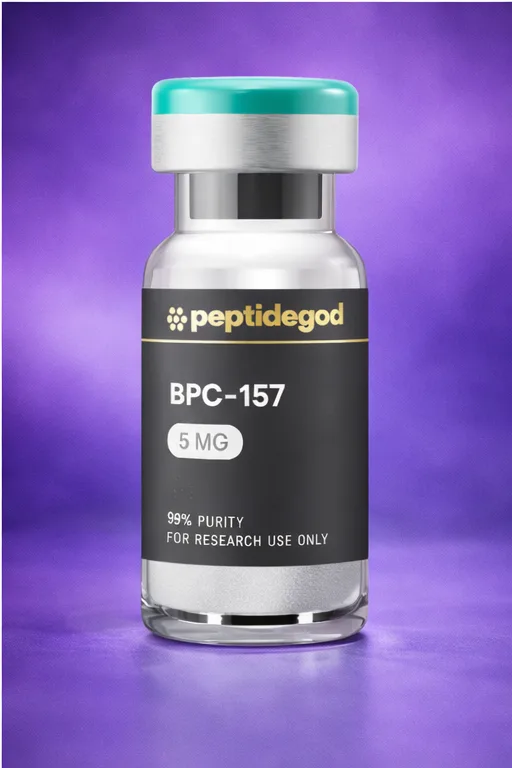
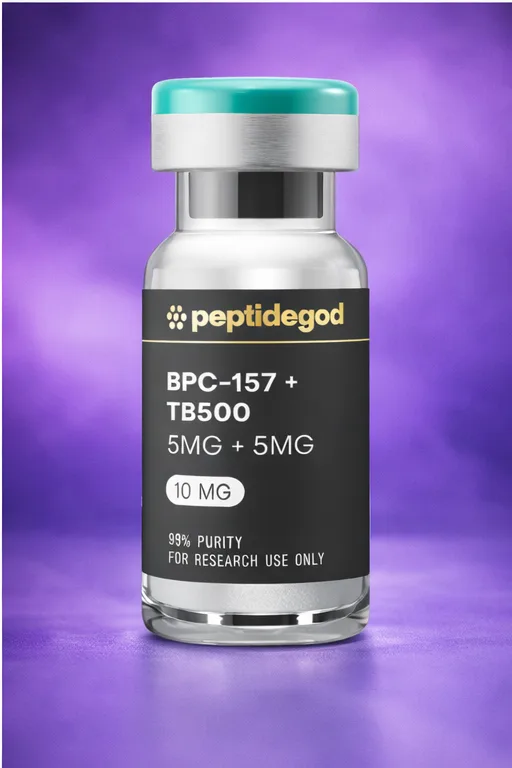
See top-rated vendors
Compare prices, purity and shipping at a glance.
Reviewed by the Bpc157nearme Research Team · Last updated February 2026
References & Scientific Sources
- Gwyer D, Wragg NM, Wilson SL. Gastric pentadecapeptide BPC 157 and soft-tissue healing. Cell Tissue Res. 2019.
- Chang C-H, et al. Pentadecapeptide BPC 157 enhances tendon fibroblast outgrowth. J Appl Physiol. 2011.
- Sikiric P, et al. BPC 157 and standard angiogenic growth factors. Curr Pharm Des. 2018.
Sources are provided for educational reference. This content is informational and not a substitute for professional medical advice.